




 I want to donate
A Revolution in Your Head? How social prescribing could change the world
- General
- 6 Oct 2018
-
46views
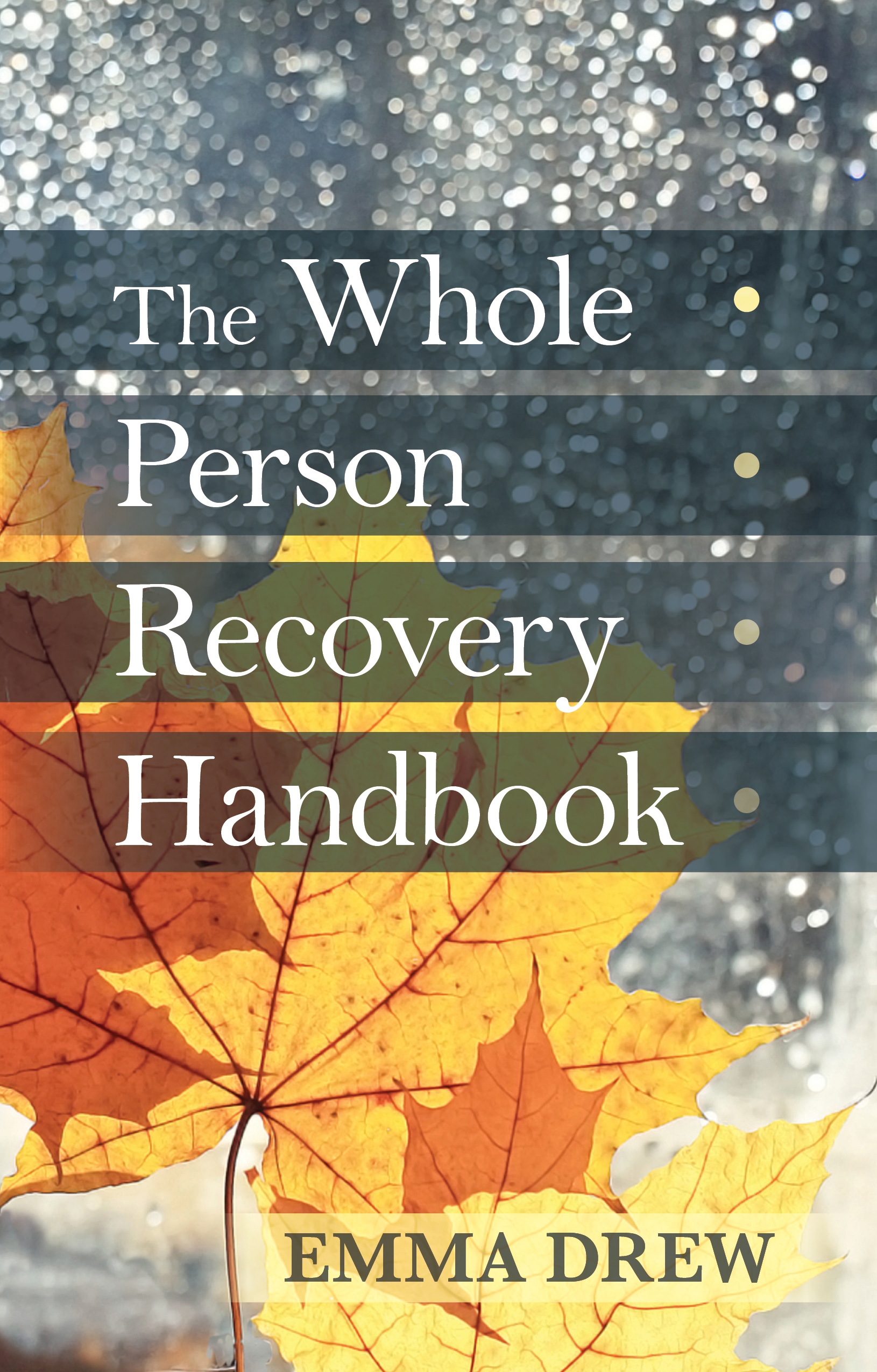
In July, the UK government announced new funding for ‘social prescribing’ schemes across England and Wales (and a similar programme had already been announced in Scotland). In the scheme of things, the amount of money involved is quite small, but it shows that change is afoot.
But what is social prescribing? How might it affect your health care? What might change in the care you are offered?
Social prescribing will never replace essential, life-saving medications. A problem is that many medications are over-used, ineffective and wasteful, promising false hope and delivering perhaps only marginal benefit or, in some cases, actually causing harm. Sometimes the science underpinning their use is not as strong as we might like. Medications can be prescribed sometimes because no other options seem to be available to hard-pressed doctors.
Patients are people, not just a collection of symptoms
So what happens if we pause and stand back to look at the big picture? After all, a person is not just a ‘symptom’ or ‘illness’ (although we sometimes described that way in medical notes) – we have friends, families, homes, interests. If illness is restricting your ability to engage in life, and medicine or surgery have reached the limit of the benefits they can offer you, what else is there? This is where social prescribing offers a potential revolution in health care.
The term ‘social prescribing’ has come to refer to non-clinical interventions made to support health and wellbeing in patients, such as referrals by GPs to arts activities, sport, social groups or volunteering. Calling this ‘prescribing’ alerts us to the fact that health benefits may be the result, but we should be aware that it is much more than that. Social prescribing is not just a ‘treatment’ for a sickness, but a larger, more holistic way of helping someone re-position their lives in a way that benefits their health and gives them choices and support.
We know a great deal about the non-medical factors that can have a big effect on our health – income, geography, education, level of activity, diet, family circumstances. Navigating these alone, when we are unwell, can be very daunting – in fact, loneliness can reinforce these things and make our health much worse. Caring for a sick loved one without support can itself lead to illness.
So social prescribing recognises that our ability to look after our health and wellbeing is dependent on support, company, activity, resources and social connections of a kind that we enjoy, that suit our particular tastes and circumstances. It works by playing to our nature as social, creative, active beings, and relies for its effectiveness on the ‘patient’ being a person who has control and choices. It re-balances the power between you and your doctor.
What conditions can social prescribing help with?
Social prescribing has been used effectively with a wide range of physical and mental health conditions. We know, for example, that music can have a strongly beneficial effect in people with Alzheimer’s disease, that singing helps people with COPD, and that writing and reading produce measurable improvements in recovery from physical injury, as well as enhanced cognitive function and empathy for others. We know that dance and movement classes can help with balance and reduce the risk of falls in older people. We know that getting out and about in nature can help with low mood.
We know that any kind of peer support can help reduce loneliness, and loneliness is a huge risk factor for declining health.
One 2007 study showed that aerobic and anaerobic circuit training in a gym significantly improved physical fitness, participation level and quality of life in children with cerebral palsy - CP is a group of disorders that affect the development of movement and posture. Moreover, going to the gym enhanced the children’s health in a number of ways that helped them tackle the specific challenges they faced in daily life such as walking over rough terrain and climbing stairs, and helped establish activity patterns that could continue into adulthood – extending the health benefits of both physical activity and social contact.
How do we know that social prescribing works?
It is possible to establish the impact of social prescribing using standard scientific methods, and people have. There is a great deal of research. But we should not get overly focused on that – scientific research can have unhelpful limitations. You are in any case unlikely to do someone any harm by asking them to sing a few bars of their favourite song, or to write in a journal. The point is, the work has already been done: we know that social prescribing, when well-managed and appropriate to the participants, not only delivers health benefits but also (and this should be a bonus rather than the main purpose) reduces demand on GPs and A&E departments. It can also reduce the unnecessary use of medications.
People have always known that part of what it means to be human is to have access to creativity, contact, agency and activity. This is what social prescribing seeks to restore to people who may have lost those things due to ill health.
The magic happens when people participate in the activity for its own sake, because they enjoy it – not just as ‘therapy’. As James Sanderson, the NHS Director of Personalised Care, said recently, ‘the case for this area of work has already been made.’
So if you are prescribed dance, singing or a trip to the country, consider yourself lucky – your doctor is on top of the latest research.
Related Posts
Categories
Recent Posts
1

Thoughtful Christian Books for Father’s Day
11 Jun 2026
5
Support SPCK with your donation
Either donate with a one-off donation or subscribe monthly.
Choose a type of donation
I want to donate
 I want to donate