




 I want to donate
Why People Still Come to Church: Voices from Southern Africa
- Laura Barry
- Book Extracts
- 2 Mar 2026
-
53views
Why People Still Come To Church: Voices From Southern Africa
An excerpt from Dancing to the Heartbeat of God
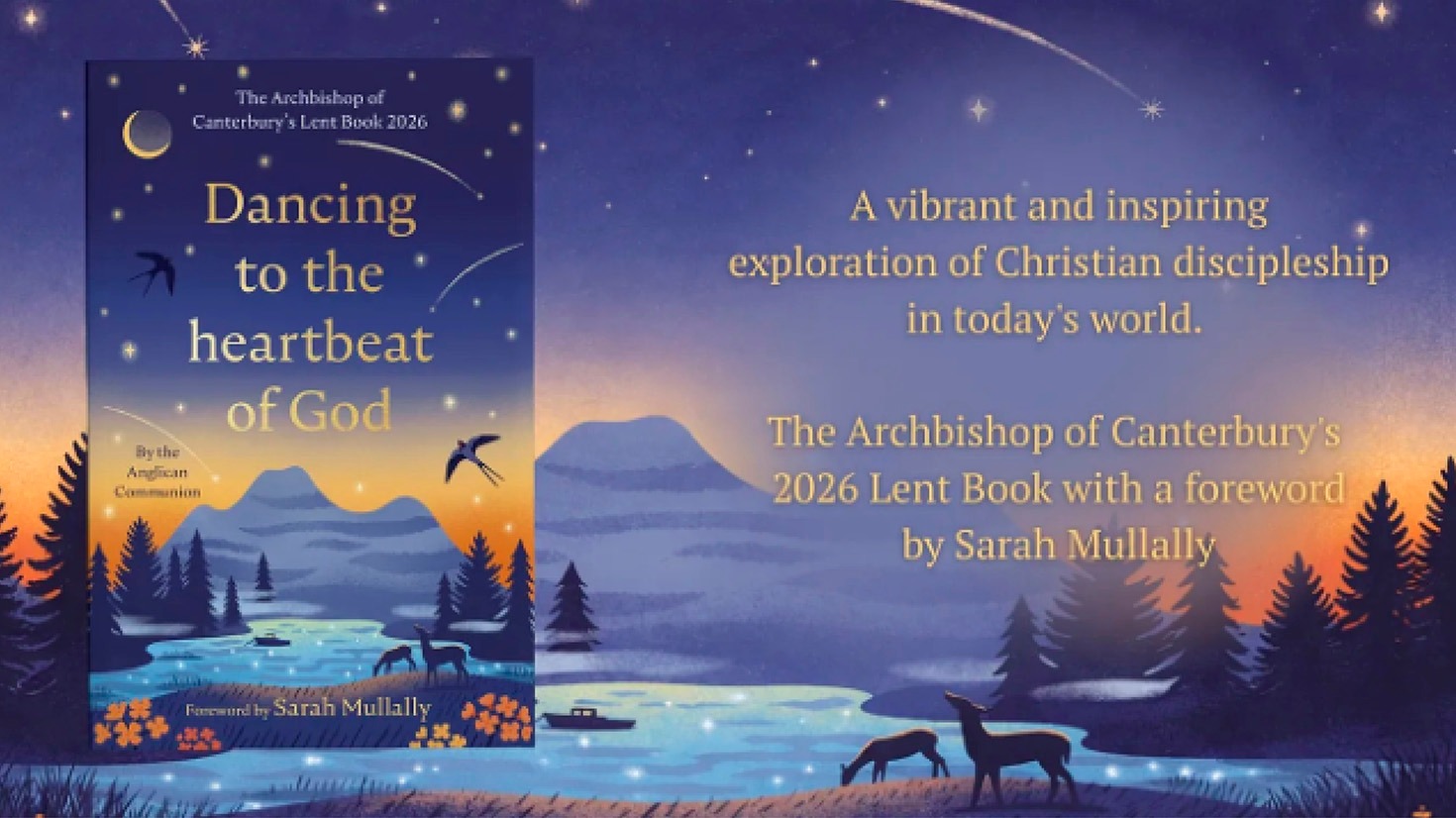
Please enjoy this excerpt from the Archbishop of Canterbury’s 2026 Lent Book, Dancing to the Heartbeat of God, in which The Most Revd Dr Thabo Makgoba shares his reflections on why the church continues to thrive in Southern Africa, rooted in love and strengthened by hardship.
The Most Revd Dr Thabo Makgoba is the Archbishop of Cape Town and Metropolitan of the Anglican Church in Southern Africa. He was awarded the Cross of St Augustine by Archbishop Rowan Williams for his service to the Anglican Communion, and is currently one of the longest serving Primates within the Communion.
I write these reflections from Southern Africa, within the Anglican Church of this Province. The contexts here are in many ways different from that in the UK, but the questions are strikingly similar. Across Namibia, St Helena, Lesotho, Eswatini, South Africa and formerly Angola and Mozambique, I have reached out to bishops, clergy, retired leaders and lay members of the church, and to a Roman Catholic colleague, with a simple but searching question: why do people still attend church here?
I also gathered with young people at a youth Indaba in Taung, where fifty voices spoke candidly about their hopes and frustrations. Their concerns were sobering: inconsistent support from clergy, traditions that at times stifle creativity, and resistance to youthful vibrancy. Yet alongside these challenges, what emerged most strongly was a resilient joy and a deep attachment to the church as being at the heart of their lives.
What follows is not a survey but a collection of testimonies — stories, reflections and lived experiences. My prayer is that they might encourage you in the Church of England as you walk through this Lenten season: not as ready-made answers to complex challenges, but as a reminder that God’s Spirit is still at work renewing the church wherever people gather with open hearts.
For many here, the reason for churchgoing is as simple and as profound as the Eucharist itself. To step into church is to encounter God in Word and Sacrament, to be fed with the bread of life, to remember that we are dependent on grace. The Eucharist binds us together across differences of age, class and background. It restores what is broken and re-centres life around Christ. Worship is not merely ritual but a lifeline.
We Southern Africans are a people of community who value a sense of belonging and identity. For us, the Church is not primarily an institution or a set of programmes. It is, quite literally, a family. Attendance is bound up with belonging, with being known and welcomed, and with carrying one another’s burdens. The words of Archbishop Desmond Tutu resonate deeply: ‘A person is a person through other persons.’ This ubuntu — this conviction that our humanity is realised in relationship — is embodied in the church. To attend is to belong, to be woven into a fabric of love and care that sustains through hardship.
Worship also meets the individual needs of parishioners. One explained:
“Church remains my safe space — the place that allows me to be in communion with Christ without the noise of the world intruding. It restores me after the week, and nourishes and anchors me for the days ahead. Without it, life is out of focus, like trying to read without glasses.”
For others, church is a place of thanksgiving. ‘I go to church to worship and give thanks to God for what he is doing in my life,’ said one member. Another shared, ‘Sunday is when I reunite with my spiritual family. It restores me, rebuilds me and rejuvenates me after the struggles of the week.’
For many parents, worship is also about witness to their children: ‘I want to show and teach my children that there is always room for God, no matter what they take on in life,’ says one. This language of family is significant.
A young Christian elaborated very simply on the point about joining a spiritual family: ‘When I come to church, I reunite with my spiritual family just as surely as I return home to my family at the end of the day.’
In many communities, this belonging is expressed tangibly: congregations rally around bereaved families with both prayer and financial support; guilds and choirs wear uniforms that signal shared identity; indigenous languages and traditional clothing are woven into liturgy. Even practices such as uku xhoma ibhatyi — hanging up a departed member’s jacket — express how the church holds memory tenderly, ensuring that no one is forgotten.
Worship itself carries unique power. Structured liturgy, varied readings from Scripture, beloved hymns and the use of incense are all cherished. These are not seen as empty traditions but as rhythms that safeguard Christ at the centre. One informant noted, ‘Our services are Christocentric; they do not leave room for distractions or strange theologies.’ The breadth of readings – Old Testament, Psalm, Epistle, Gospel – provides a balanced engagement with Scripture. Hymns are loved not only for their beauty but for how they root faith in shared song. For some congregations, newer instruments and contemporary styles have been incorporated, creating vibrancy without displacing the richness of tradition.
Sometimes young and old have different needs. ‘A lot of older people are not attracted to the noisy way of church,’ an other retired bishop tells me.
“They want the more quiet spirituality that has stood the test of time, with the familiar liturgy and hymns they know, while young people within our African tradition love the colour and flamboyancy of what we can offer; this is a way in which they feel they have a role and that they belong. A lot of people are attracted to a participatory style of worship which is not a one-person band.”
Equally important is the church’s holistic role in society. The experience of one leader is that our people are seeking moral as well as spiritual growth: ‘In a world that has become disorderly and disjointed, people go to church because they long for ethical and moral guidance. They look for something that can provide structure, a more sustainable routine and purpose in their lives.’ Another respondent adds, ‘Listening to sermons gives me an insight as to how we should apply biblical principles in our lives.’
Living moral lives that reflect biblical principles is epitomised by the diocese of Eswatini, which is situated in South Africa’s neighbouring country of that name. They frame their mission around five areas: Mission and Evangelism, Environment, Human Dignity, Sustainability and Anglican Identity.
The church speaks against injustice, advocates for the vulnerable and supports people seeking livelihoods. For many, this comprehensiveness – a faith that touches every part of life – is a key reason for remaining faithful. Within South Africa, our people believe we still have as important a role in defending and nurturing our new democracy as we did opposing apartheid. Writes one:
“We went through lots of trials and tribulations, and our hope was in God as it still is even now. Poor communities in rural areas, with first-hand experience of abject poverty, are often the strongest pillars of the Church. Like the poor widow, they give sacrificially because of their faith in him who, despite being rich, yet became poor for our sake. They don’t rely on material means because they have none, but have God who is all in all as their only solace.”
Elaborating, another bishop spells out the stark reality of a rural diocese with too few clergy:
“Most parishes consist of multiple congregations which do not see a priest every week and where a visit from the bishop is extremely rare. So it is up to the people, in the power of the Holy Spirit, to make church happen. Whether there is a priest or not, the people meet – and lay leaders see to the administration, lead Morning Prayer, preach, pray for the sick and visit those in need of special pastoral care. On a Sunday they expect to spend much of the day together. After the formal service, worshippers gather in their various organisations, and the church building and trees outside are dotted with meetings of the Mothers’ Union, Anglican Women’s Fellowship, youth groups, Men’s Guilds and Bernand Mizeki Guild – each with its own particular focus and contribution to make to the life of the church.”
In rural areas, church land and buildings become a valuable resource hub for the wider community, and parishes are encouraged to use their properties to serve their communities in activities such as growing vegetable gardens, housing homework clubs, running crèches for young children and hosting health clinics.
At the same time, people are clear about what must change. Young people in Taung voiced frustration that clergy some times hide behind rigid traditions rather than engage creatively. Our people call for stronger preaching, more pastoral care and a deeper inclusivity – particularly for those living with disability. Others long for revival services that rekindle faith, for lay-led Bible studies and devotions, and for a broader embrace of music that reflects the heart of today’s communities. These are not complaints of people drifting away; they are the cries of people committed enough to want the church to thrive.
The underlying theme is clear: people attend because the church still matters to their lives. It is a place of encounter with God, a sanctuary from the world’s noise, a family that sustains in hardship, a community that proclaims justice, and a fellowship where prayers are shared and answered. One voice captured it beautifully: ‘As much joy as every thing else in life brings me, coming to church brings me more. I find my peace at church, and it gives me a feeling of fulfilment.’
...
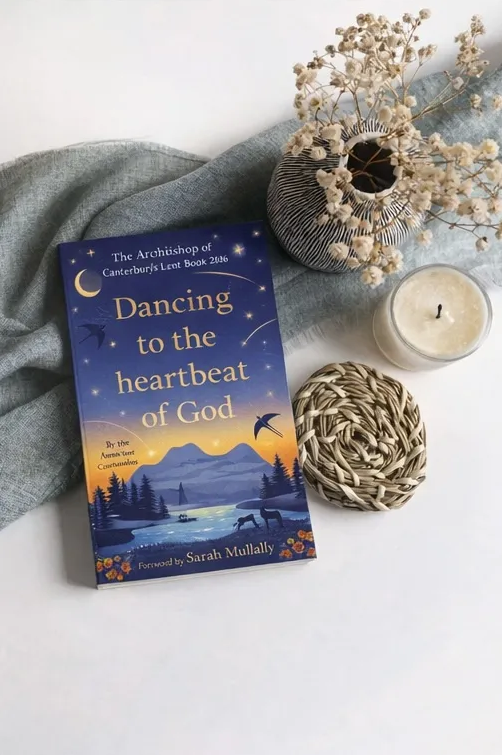
Dancing to the Heartbeat of God is a vibrant and inspiring exploration of Christian discipleship in today’s world. Bringing together around thirty contributors from across the globe, this rich volume reflects the breadth, diversity, and vitality of the Anglican Communion.
Available now here.
Related Posts
Categories
Recent Posts
1

Thoughtful Christian Books for Father’s Day
11 Jun 2026
5
Support SPCK with your donation
Either donate with a one-off donation or subscribe monthly.
Choose a type of donation
I want to donate
 I want to donate