



 I want to donate
Robots, AI and human uniqueness: learning what not to fear
- Emma Collins
- General
- 24 May 2021
-
82views
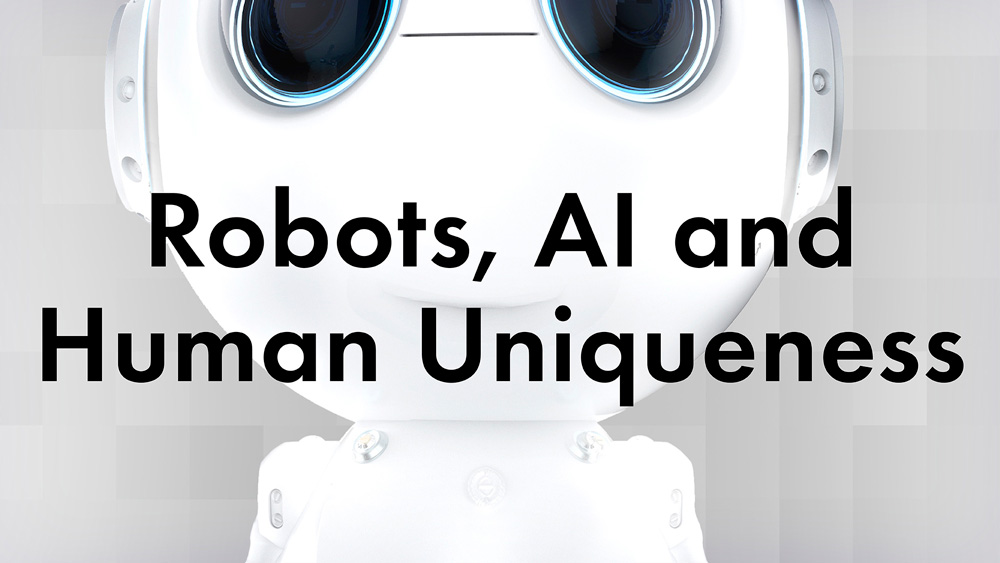
Are You Scared Yet, Human? Is the title of tonight’s Panorama episode on artificial intelligence. If that title sounds familiar, it’s because it forms part of an essay title written entirely by AI. With increasing developments in the world of robotics and AI, should we as Christians be scared? What does AI represent for us as human identity? In this extract from The Robot Will See You Now, Professor Robert Song digs deeper into these questions.
Robots, AI and human uniqueness: learning what not to fear
ROBERT SONG
There is something unnerving about robots and artificial intelligence. It is not just the immediate, practical concerns of whether they will take our jobs, exacerbate our social prejudices or enable big tech companies to invade our privacy. Nor is it the longer-term existential threats about our being annihilated or enslaved by hostile robotic superintelligences. Rather it is about the very idea of AI and what it represents for human identity. What would it mean if there were machines that had consciousness and displayed a similar level of intelligence and emotional responsiveness to that of human beings? What if there were a future when we were no longer able to distinguish human beings from robots? What would all this mean for human uniqueness?
These kinds of questions should be disconcerting for those without religious faith, or so I shall suggest. But for Christians, they are especially unsettling, given the traditional Christian belief that, since human beings are made in the image of God, they have a unique status above animals and the rest of creation. There is something distinctive about humankind, Christians hold, that sets it apart from everything else. After all, when the Word became flesh, it was human flesh that the Word became, which is surely reason to believe that humans have an exclusive status in creation. This special place, it seems, would be threatened if robots could not be distinguished from them.
I am going to suggest that, leaving aside the shorter- and longer- term risks to human society posed by particular applications of these technologies, Christians have nothing to fear from AI and robotics, at least with regard to human uniqueness and identity. But I am not going to argue this on the practical grounds that there are formidable engineering problems in the way of AIs ever developing the same kind of intelligence that we associate with human beings, undoubtedly true though that is. Rather, my claim will be that even if robots were to gain something like human levels of intelligence and the other capacities that we identify with being human, this would still not as such be a threat. For humans would continue to have the calling given to them in Genesis, which is fulfilled and renewed in Christ, and this they can never lose. In fact, at the level of the theology of human dignity and personhood, much more of a threat is posed not by increasingly intelligent machines, but by the implicit downgrading of human beings that is widespread in the underlying philosophy of AI, and which makes the project of making artificial human-like intelligence so seemingly plausible in the first place. If we are to understand what we should truly fear about robots and AI, we should look not to how they might threaten human dignity, but to the naturalist materialism they are often thought to presuppose.
Related Posts
Categories
Recent Posts
1
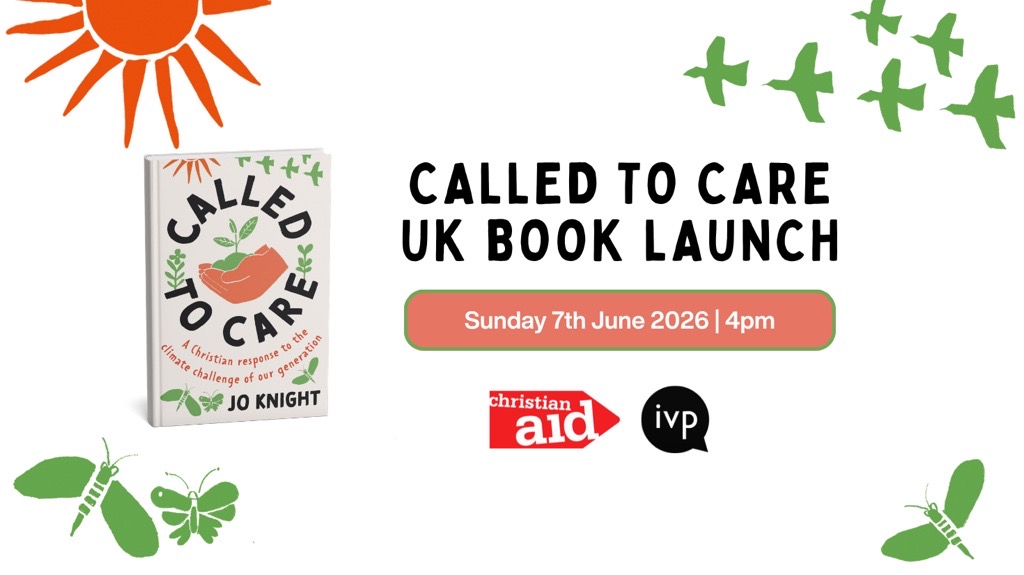
UK Launch of Called to Care by Jo Knight
28 May 2026
5
Support SPCK with your donation
Either donate with a one-off donation or subscribe monthly.
Choose a type of donation
I want to donate
 I want to donate