



 I want to donate
National Read A Book Day
- New Releases
- 6 Sept 2018
-
62views
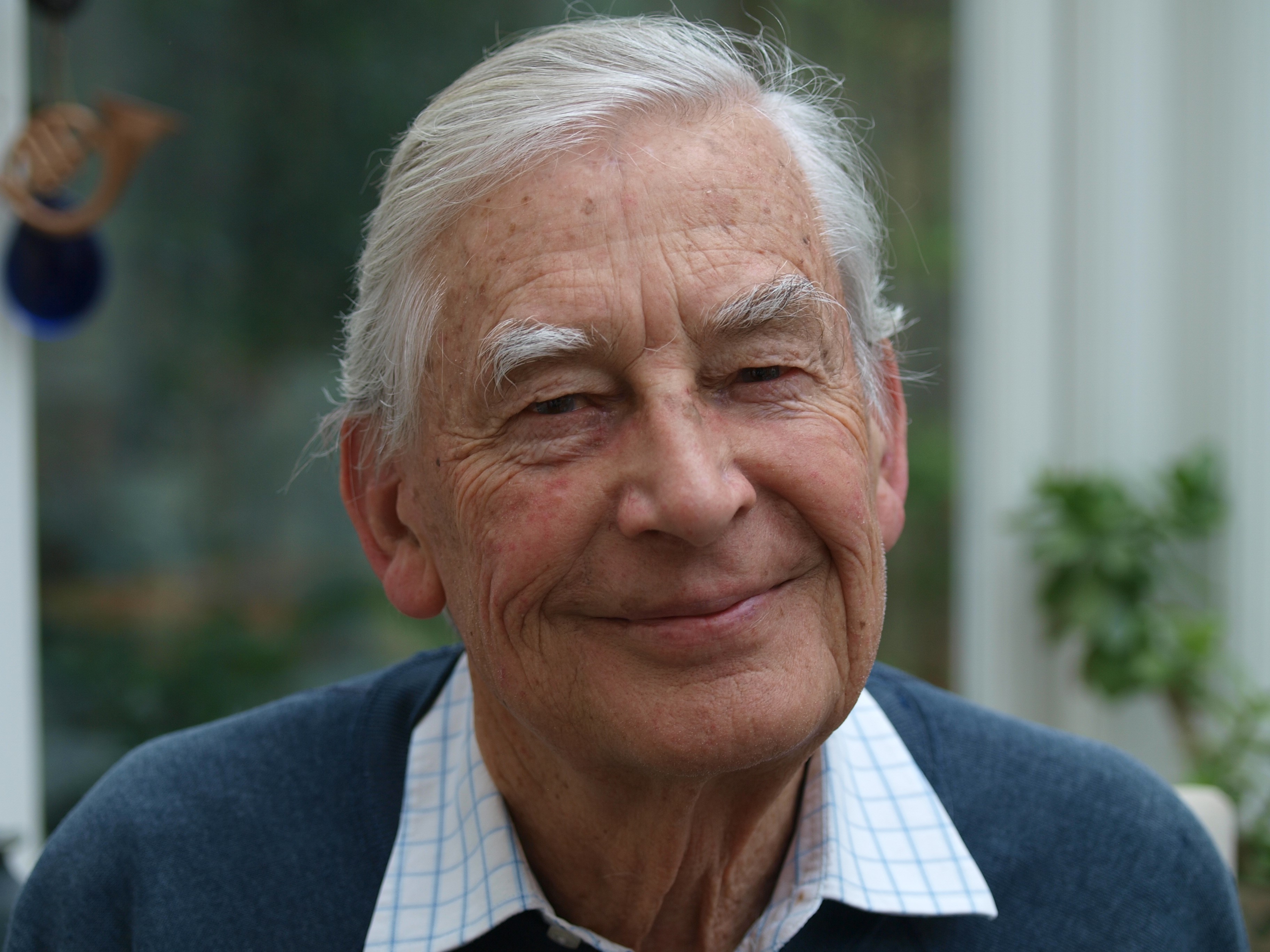
Like many people, especially of my generation, books have always meant a great deal to me, and from a young age I could quickly get absorbed in what I was reading. The great magic about stories, novels and plays is that they take us into worlds different from the one with which we are familiar, but in such a way that our day by day world is illuminated. We enter into the lives of imaginary characters and find that the way we see and experience our usual life is subtly altered. Books affect us deeply and can change us in significant ways.
All books are written from a particular point of view. If the author tries to press that point of view too hard in their plot or characters the work will almost certainly fail as literature. The characters will seem one-dimensional and the plot artificial. The result will be propaganda. Some writing written from a Christian point of view makes this mistake. In any good writing imaginative sympathy is at work and this enables the writer to enter into the minds of people with fundamentally opposed views or characters. This is indeed one of the marks that distinguishes literature from propaganda. It is one of the reasons why we find it so difficult to place someone like Shakespeare as being a believer or non-believer, a Catholic or a Protestant.
David Mamet’s play Oleanna is about a university teacher who is accused by one of his girl students of sexual harassment. I saw the play with my daughter. When we came out we realized she had experienced the play through the student who believed she had been harassed, I had done so through the lecturer who believed the girl had manipulated him. When the play was shown in America, it sharply divided audiences in a similar way. That was a mark of its status as a genuine work of art.
However, and this point cannot be emphasised too strongly, we should not assume from this that good writing is without a point of view. It cannot be, because nothing in this life is value free or neutral. It comes out of the life experience of a particular writer who will have a distinctive feel for life whether or not they are able to articulate it. According to Philip Pullman this is not only inevitable but necessary and good. Literature should, in his words, “pack a moral punch”. It is entirely natural and inevitable that some works should be written from an atheist point of view, and others from a Christian one. If the perspective is Christian this does not make it more or less worthy of consideration as literature. This needs stressing in our society today. At the same time, because good literature depends on empathetic imaginative power, a novel written from a Christian standpoint will at the same time feel the full force of atheism, and one from an atheist perspective will know something of the enchantment of the Christian faith.
It is possible to view literature as just one form enjoyment or form of escape like football or chess. But in our own time its importance is more crucial than that. We look to novels, plays and poetry to understand better what it is to be alive, what it means to human living with other human beings. No less we look there to see what it means in practice, as a “form of life” to use a phrase of Wittgenstein, to believe or not believe life has a meaning beyond any which we may choose to attribute to it.
These words apply to all forms of literature, but they also highlight the importance of literature that is written by Christian writers or on Christian themes. At a time when so much religious language has become either unbelievable or alien to many people it is in works of literature that we can begin to discover what the Christian faith is about and what is at stake. If, for example we want to explore the challenge to Christian belief posed by human suffering and the attempt to understand it theologically in the texture of life, we will read Camus or Dostoevsky. If we want to explore what faithfulness and martyrdom might involve in a brutal world, we might read Shusako Endo’s The Silence.
My new book book considers 20 novelists and poets, who have meant a great deal to me over the years. Some are believers like W.H.Auden and Marilynne Robinson, some non believers like Samuel Beckett and Philip Pullman but they are all writers whose struggle with faith is reflected in their work.
For me this has been a fascinating and enjoyable exercise. At school my housemaster used to come round at night to check what people were up to and almost invariably he found me in bed reading a novel. Always he would remark “My boy, why aren’t you working? This book is, for me, the happy fruit of not working.
Richard Harries
Haunted by Christ: modern writers and the struggle for faith is published by SPCK on September 20th
Related Posts
Categories
Recent Posts
4
5
Our Royal Patron in Congress
29 Apr 2026
Support SPCK with your donation
Either donate with a one-off donation or subscribe monthly.
Choose a type of donation
I want to donate
 I want to donate