





 I want to donate
Mindful Walking
- Emma Collins
- New Releases
- 14 Apr 2020
-
45views
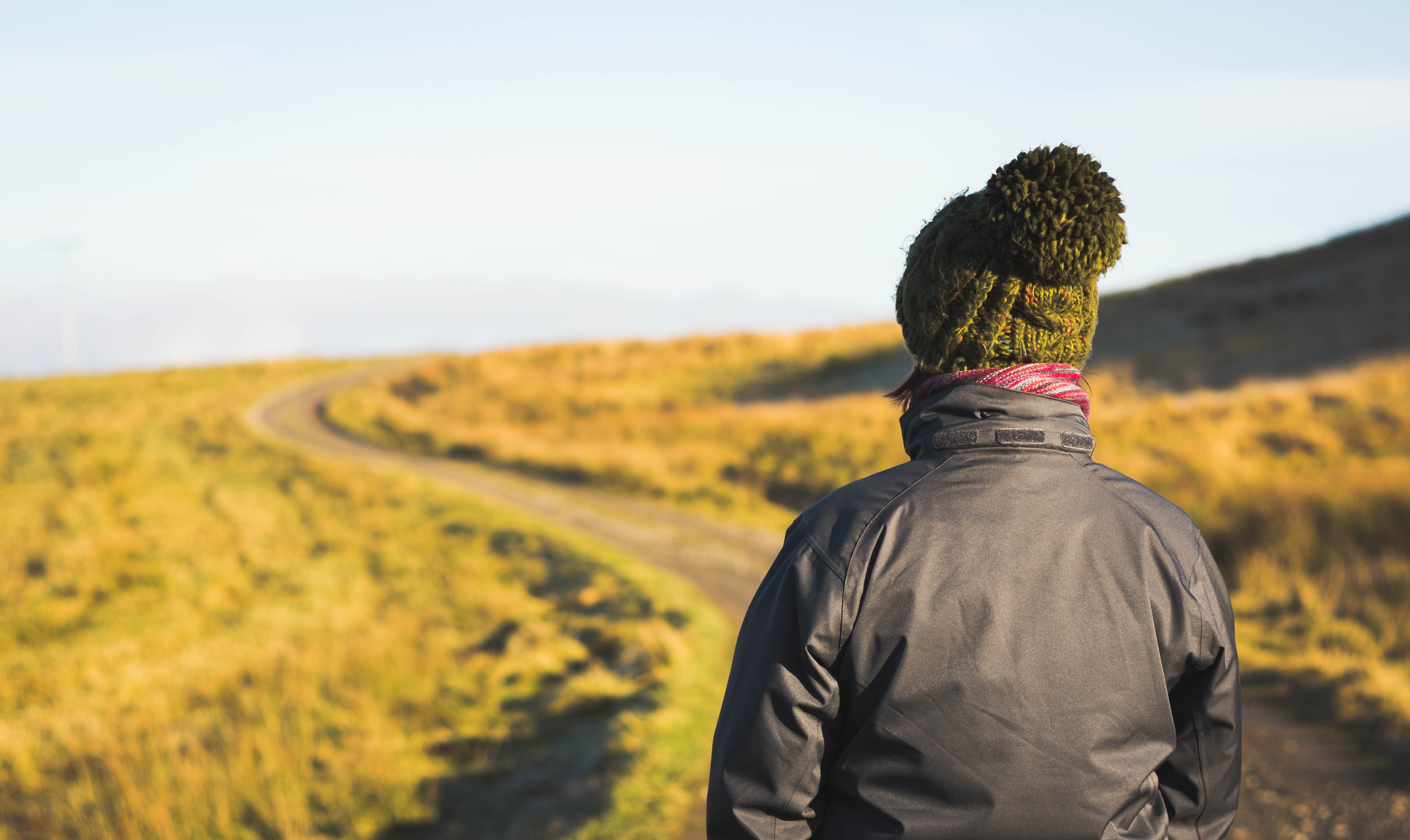
Extract from Chapter 4: Seeing
I have two contrasting approaches to walking. Sometimes I feel driven, keen to cover the distance and get to the end as quickly as possible. I haven’t got time to take in any detail. I count the miles, look at my watch to see if I’m beating my estimated time, and later, sitting with a coffee in a café, I check the smartphone app that tells me how many steps I’ve taken and the calories I’ve burnt. (I sometimes order a cheese scone and undo any good work.) My focus has been on a quantitative walk, measured in 10,000 healthy steps.
The other approach is to pay attention to my surroundings and walk a little slower. I stop sometimes. I spot wildlife. I notice the slant of the light, the patterns of the clouds high up in the sky, the intricacies of hedgerow flowers and the chiselled markings on a stone gatepost. I absorb the buds of horse chestnut glistening stickily in the light, the noises of traffic and bird song and the changing pattern of the seasons. I’m open to seeing the level of detail that the harvest hymn describes as ‘each little flower that opens, each little bird that sings’; I’m more aware that God has given ‘us eyes to see’, a heart to savour ‘the sunset and the morning’ and the gift of feeling ‘the pleasant summer sun’ on my cheeks. Even if I’m retracing my steps over the same route a number of times I’ll be aware of variations in colour, light, sounds, smells, insect life, cloud type and wind direction. The American theologian Belden C. Lane said that walking ‘requires a consistent mindfulness and self presence’ because ‘it necessitates a reading of the entire landscape. Learning to dance and flow with the interconnectedness of its details.’ This type of reflective walking makes me use my senses to the full and a sense of thankfulness envelops me. Bishop Stephen Cottrell travelled one of the Camino pilgrim routes to Santiago de Compostela and noticed that as he slowed down to walking pace he began ‘to see the world differently, appreciating astonishing diversity more attentively’. A qualitative walk has completely different attributes to a quantitative walk.
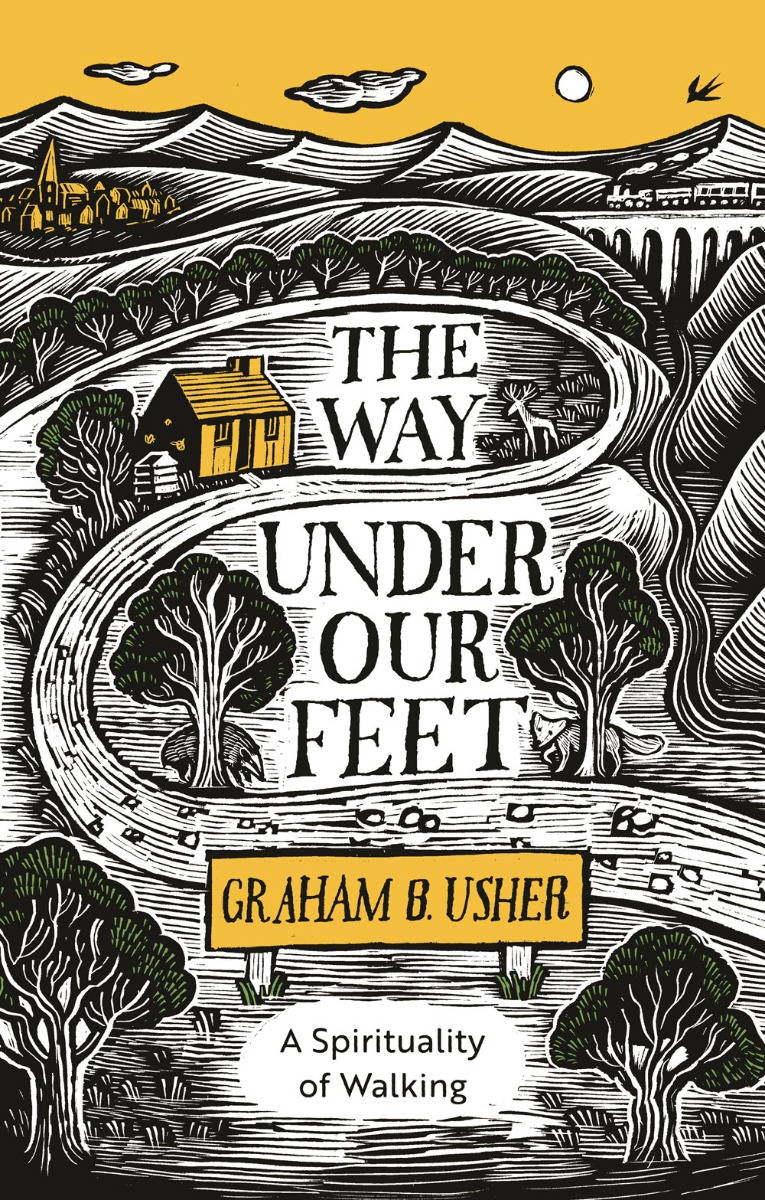
In The Way Under Our Feet, Graham Usher conveys how exhilarating it is to walk into the depths of our humanity. We become more ready to recognize the needs as well as the joys of others; we sift our thoughts; we seek to heal our battered world, even as we glory in the beauty of nature; we find ourselves companying with our three mile an hour God.
Buy now >>
Related Posts

Categories
Recent Posts
4
5
Our Royal Patron in Congress
29 Apr 2026
Support SPCK with your donation
Either donate with a one-off donation or subscribe monthly.
Choose a type of donation
I want to donate
 I want to donate