





 I want to donate
‘Don’t just pretend to love others – really love them’
- Emma Collins
- New Releases
- 8 Mar 2020
-
16views

 Wearing L-plates
Let’s stick with the challenge of really loving one another until the pretence truly fades.
As I sat behind the learner driver at the junction, wondering if she would ever find the correct gear, I had two choices of what would be my next move. I don’t mean in a car-moving sort of way as it was clear we were not going to go anywhere fast. I mean in attitude. As I stared at the red L, I could wait, patiently, mindful that I too was once a traffic-slowing learner driver, or I could choose to be impatient and frustrated that I was being thwarted in my attempt to get on with my busy-and-oh-so-important day. And it is even harder when we don’t see any L-plates and yet we are stuck behind drivers who don’t seem to know what they are doing or suddenly do something unpredictable or drive in such a way that we are getting delayed! When our right to be where we want to be, when we want to be there, is interrupted, it can be frustrating.
The challenge ‘don’t just pretend to love others – really love them’ is easy with some people, but what about those tricky ones! Perhaps you have never experienced this kind of inconvenience on the road, but I’m pretty sure you will have experienced something like this in your relationships: when someone behaves unpredictably and throws a curve-ball your way that forces you to respond, when someone’s immature response or insensitive quip reveals the lack of depth to their understanding, or perhaps when someone’s behaviour is so predictably irritating that your patience and grace get up and go. Perhaps relational L-plates would be helpful for us all to wear! To authentically ‘own’ our personal L-plates is to live transparently, not pretending to be ‘all sorted’ but still seeking to grow honestly and learn.
When it comes to learning about relationships Paul’s letter to the Corinthians is hugely helpful (albeit challenging!). It’s a passage that has been popularized at weddings but was not intended exclusively for these occasions. There is a lot for women to learn from Paul’s letter to the Corinthians. However much we successfully function according to our gifts and thrive in our ‘body part’ for Christ, if we do this without being identified with an ‘L’ for love then we are not going to be relating to others well. Love is an area where we need to remain living as learners!
If I could speak all the languages of earth and of angels, but didn’t love others, I would only be a noisy gong or a clanging cymbal. If I had the gift of prophecy, and if I understood all of God’s secret plans and possessed all knowledge, and if I had such faith that I could move mountains, but didn’t love others, I would be nothing. If I gave everything I have to the poor and even sacrificed my body, I could boast about it; but if I didn’t love others, I would have gained nothing.
Love is patient and kind. Love is not jealous or boastful or proud or rude. It does not demand its own way. It is not irritable, and it keeps no record of being wronged. It does not rejoice about injustice but rejoices whenever the truth wins out. Love never gives up, never loses faith, is always hopeful, and endures through every circumstance.
Prophecy and speaking in unknown languages and special knowledge will become useless. But love will last forever!
(1 Corinthians 13.1–8)
In his book How to Like Paul Again, Conrad Gempf of the London School of Theology says,
1 Corinthians is telling us post-modern westerners that we need to love each other and think more in terms of ‘out-dated’ notions of courtesy and respect than in terms of rights and freedoms. Perhaps, for different reasons, we find ourselves in a culture that behaves very similarly to the Corinthians. We want attention; we want the advantages that we believe are our rights. And if anything keeps us from these, we, like the Corinthians, look for sympathy and redress, sometimes even redress in the courts.
One of the biggest partners to jealousy that damages relationships between women and prohibits us from championing one another is unforgiveness, in the form of keeping records of being wronged. This will show itself in the absence of our ‘Love plates’! We’ve stopped learning to love in the way that Christ intends. The right to retain the pain of being wronged by another woman has crippled and ruined many female relationships. Holding on to the hurt from her by keeping the record of wrongs alive will rob you of the freedom to be all that you could be, and will restrict other relationships you are involved in from thriving.
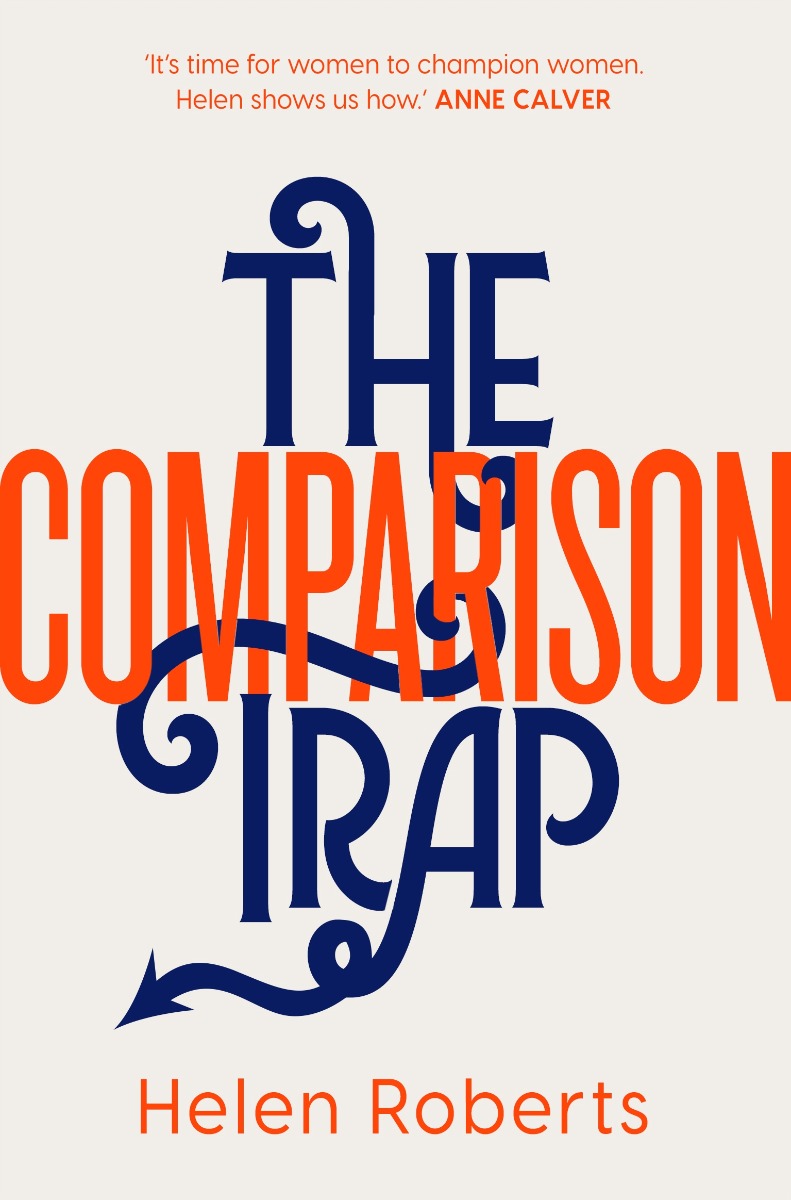
Helen explores the complexities of female relationships in workplaces, families and friendship circles, using contemporary, historical, personal and biblical examples. She investigates Scripture to see how, through the work of the Holy Spirit, we can cease the all-too-frequent “she wars”. She helps us recognise our own destructive tendencies and establish healthy habits which will enable women and their relationships to thrive. This will help us live more confidently as the daughters the Father intends us to be, free from envy or comparison.
Buy now >>
Related Posts

Categories
Recent Posts
4
5
Our Royal Patron in Congress
29 Apr 2026
Support SPCK with your donation
Either donate with a one-off donation or subscribe monthly.
Choose a type of donation
I want to donate
 I want to donate