





 I want to donate
From the quiet science lab to the macho police college
- Emma Collins
- New Releases
- 15 Sept 2020
-
59views
Training Days
Leaving the quiet, sterile environment of science research for the macho, militaristic culture of Hendon was a massive culture shock. You could smell the testosterone in the air the moment you passed through the gates into the campus. That first night was a restless one for me. My room was very basic; a small student unit with just a bed, a sink and a wardrobe. I sat on the bed, surveyed the spartan surroundings and tried to prepare myself spiritually for all I was about to face over the following 20 weeks. I knew it was going to be tough; I was also very much aware that I would be a minority. Even back in those days, the NHS had nurses, doctors and scientists from different backgrounds and from all over the world. I just knew the police would be different, and that I would be one of very few black people there.
That evening, I took a walk around the campus and ended up in the canteen. Everyone was in regular clothing, so at first glance it looked just like any normal canteen you’d find any where else. But then I started to overhear bits of the conversations the other guys were having. Immediately I got a sense of what I was up against. Some of them were quite strong in their views about the world, and saw things in a very ‘them and us’ way, with the police being the ‘us’ and the rest of the public as ‘them’. I found that quite disappointing, as I’ve always felt that the public and the police should be together. We are public servants after all. Sadly, that ‘them and us’ mindset I picked up on in the canteen on my first night at Hendon never changed throughout my 30 years in the Met.
I didn’t sleep a wink that night. I woke up extra early, got myself ready and bumped into Tom Kelly, the guy who would become our class captain. We had adjoining rooms. It was great having such a role model as Tom around. Prior to joining the police, he had been a drill instructor and a trainer of senior officers at Sandhurst. He was very organized and knew not only how to look the part, but also how to think the part. Going from the military to the police is quite a smooth transition – definitely much more so than going from medical research to the police!
Tom taught me how to buff up my shoes to an eyepiercing shine and to get the best creases when I ironed my uniform. Most importantly, he taught me how to change my learning style so that I could recite key points verbatim; parrot fashion. A key element of what we had to learn were legal definitions and procedural text known as ‘A reports’. Our teaching on any given subject would be focused on bold type A reports for that subject matter, and there was a good chance these would come up in exams. You still needed to know the other texts, of course, but the items in bold were things you needed to know word for word.
For me, learning to memorize A reports was quite difficult because it was a totally different way of processing information than I was accustomed to. As a research scientist, you had to know your subject in such a way that you were able to discuss it, not just regurgitate it. You need to have a rationale for your discussions. With A reports, you didn’t even need to understand them fully; you either memorized them properly or you didn’t. Tom had been doing this sort of learning from the getgo. He and I sat together in the canteen that morning for our first Hendon breakfast. It was a very basic, buffetstyle affair: eggs and beans, both overcooked. I took one look at it and thought, ‘I am not going to put on any weight in this place!’ In fact, I lost weight during my training period because I hardly ate. I couldn’t wait to get home at the weekend to eat some proper food.
I went and got my timetable and met my other classmates. There were about 20 of us in the class, and we did everything together. Our drills involved marching from one end of the estate to the other. None of us knew how to do the drills, but Tom – not just exmilitary, but a former drill instructor – got us whipped into shape quicker than the others. He was brilliant. He made the training fun, and we got into the swing of it very quickly. I felt very fortunate that I had someone like him, of a similar age group, a few years older than the teen age majority, to help with the transition from lab culture to police culture. It helped me to put aside certain assumptions and see the importance of keeping my head down and getting on with what I needed to get on with. It was easier said than done, but my attitude was ‘You’re in it now, just get on with it.’
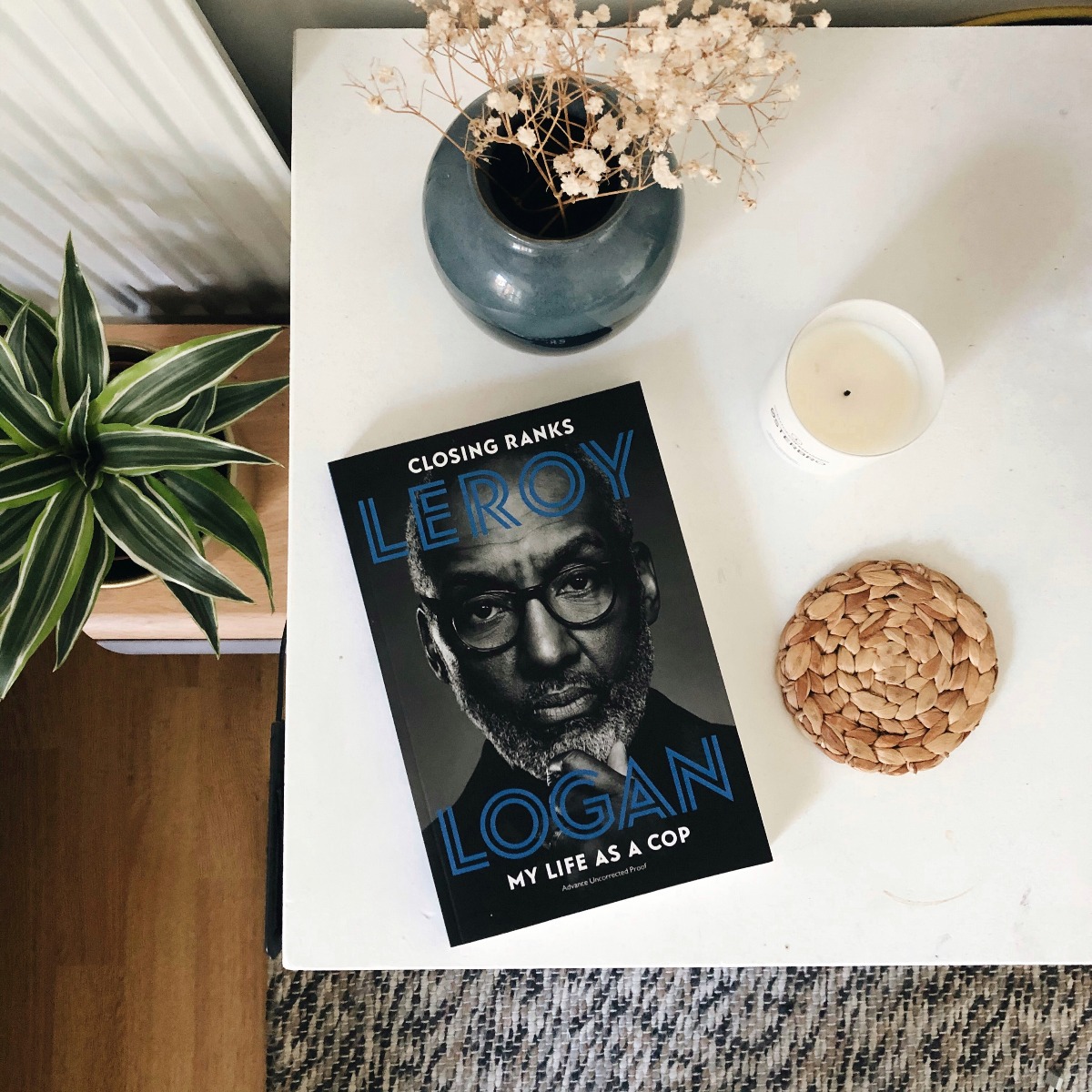 Closing Ranks tells of an illustrious career, giving a behind the scenes look at the workings of the Metropolitan Police. One of the founder members of the Black Police Association Charitable Trust, Leroy Logan has had first-hand experience of race relations in modern-day Britain, and he relates how his strong Christian faith helped him persevere in a frequently hostile work environment.
Learn more >>
Related Posts
Categories
Recent Posts
4
5
Our Royal Patron in Congress
29 Apr 2026
Support SPCK with your donation
Either donate with a one-off donation or subscribe monthly.
Choose a type of donation
I want to donate
 I want to donate