



 I want to donate
A Chat with Anthony Kenny
- New Releases
- 24 Sept 2018
-
350views
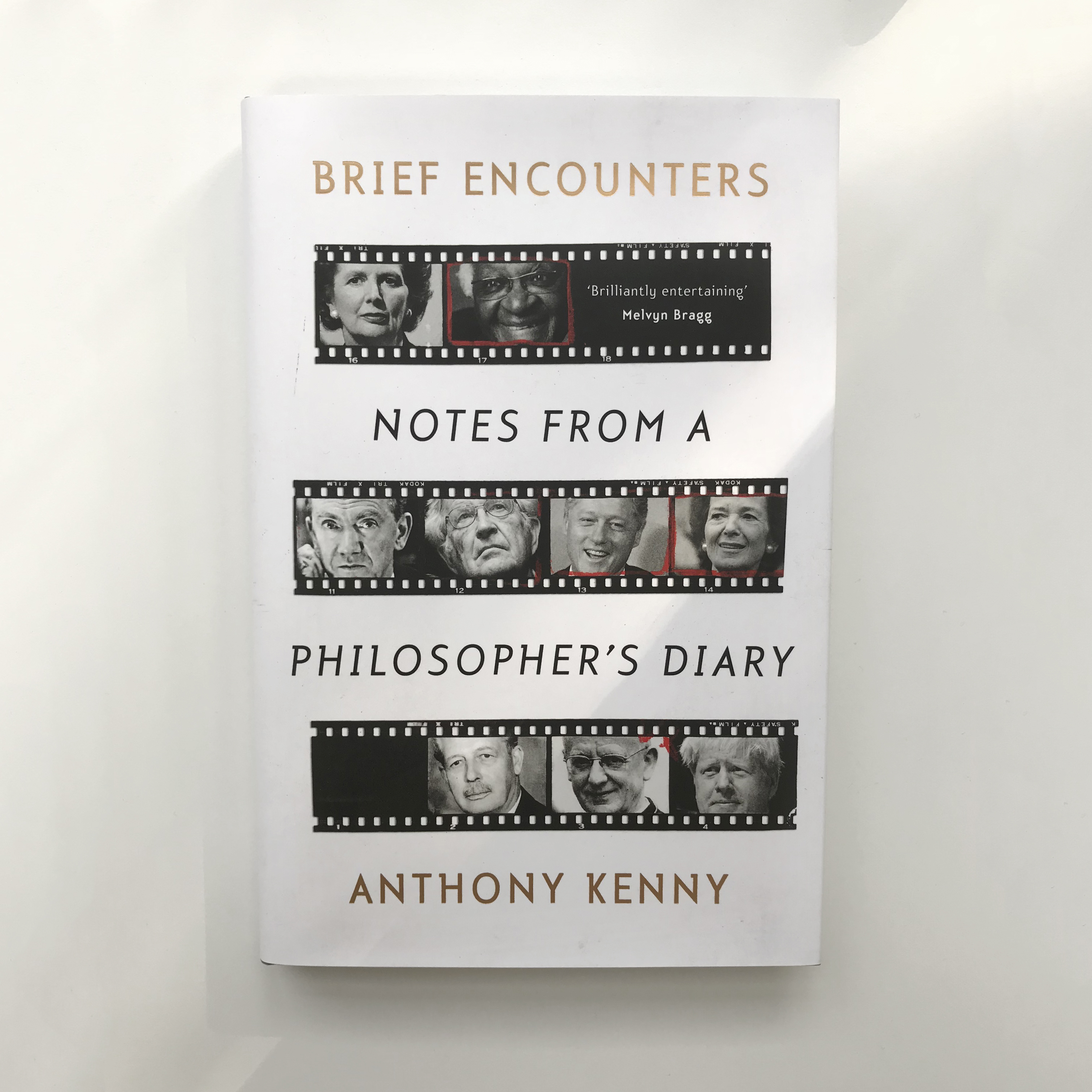
SPCK suggested to me, a couple of years ago, that I should write a volume of autobiography describing my spiritual journey. I declined the invitation, for two reasons.
The first reason is that for the last fifty years my spiritual life has been stationary rather than itinerant. It is true that in my twenties I did make the journey from being a Roman Catholic priest to becoming a secular philosopher. That journey I described in an earlier book, The Path from Rome. But since the 1960s I have remained in the philosophical position I then adopted: agnostic about the existence of God, sceptical about the possibility of life after death.
The second reason is that I doubt if there is much demand for another biography of a retired academic in his late eighties. I have held a number of senior posts in Oxford – Master of Balliol, Warden of Rhodes House, and Pro-Vice Chancellor of the University. I have also held national offices, including the Presidency of the British Academy and the Chair of the British Library Board. This has indeed made my life very interesting to me, but not because of anything I myself have done. Its interest has derived from the variety of people I have met in these various capacities. So instead of an autobiography I agreed to write a book about the personalities in my life.
I have grouped the subjects I describe into twenty trinities: three priests, three novelists, three heads of state, three scientists, and so on. Some of the figures are well known, such as Harold Macmillan and Iris Murdoch; others are people that few readers will have heard of, such as Cardinal Heard or Judge Ackerman. Some of them were friends whom I knew closely for years, such as Russell Meiggs and Roy Jenkins; others are personalities I met only briefly, but who had an influence on my life, such as Graham Greene and Garret FitzGerald.
In the course of my life I have encountered many judges -socially, rather than from the dock. I have liked almost all of them, but the one I most admired was Lord (Tom) Bingham. The remark of his I recall most vividly was made at a party when I was complaining to Cardinal Murphy-O’Connor about his recent reception of Tony Blair into the Catholic Church. I said that Blair should at least have been given a long period of penance, such as that which St Ambrose had imposed on the Emperor Theodosius who had been responsible for a massacre. “Oh yes” the Cardinal said, shaking his head, “The invasion of Iraq was a mistake, a terrible mistake”. Tom, who was in the same conversational circle, interjected “No, your eminence: it was a wicked act, a very wicked act.”
Most of those whom I have written about in this book are people whom I have admired and liked, but not all of them fall into that category. Both the very nastiest and one of the nicest human beings that I have encountered are politicians from Ireland: Charley Haughey on the one hand and Mary Robinson on the other. Several of my favourite subjects come from South Africa, such as Desmond Tutu; some of the most ambiguous characters were Eastern European dissidents such as Mihailo Marcovic.
I have never entered politics, but I have known a number of politicians, some better than others. I saw a lot of Ted Heath, but had only a couple of meetings with Denis Healey and Margaret Thatcher. Some of the younger generation were when students under my supervision, such as Boris Johnson and Yvette Cooper. Some of the Rhodes Scholars who passed through my hands seem set for promising political careers in their various countries, but sadly I have not been able to keep up with them sufficiently to include them in this volume.
At the time of the Chequers conference to secure a united cabinet plan for Brexit, ministers were told that if they resigned in the course of discussion they would not be able to use their ministerial cars on their return trip. The press reported this as unfair pressure on Brexiteers, and indeed those who decided to resign did so only when safely back home. But the rule is a long-standing one. A friend of mine who was once secretary to Ted Heath recalls accompanying him to Buckingham Palace to offer his resignation to the Queen. Having done so, Ted asked to be driven home. “I’m sorry Mr Heath was the reply “that is the Prime Minister’s car. May I call you a taxi?”
Some of the longest entries in my book concern those who were my mentors in my Catholic days, such as Alexander Jones and Cardinal Heenan. Others concern those who taught me how to be a philosopher after I had left the priesthood, such as Elizabeth Anscombe and Peter Geach. Many of those whom I include are long dead, leaving behind only fond memories. Others such as Chris Patten and Denis Noble still have an impact on my life and thought.
Related Posts
Categories
Recent Posts
1
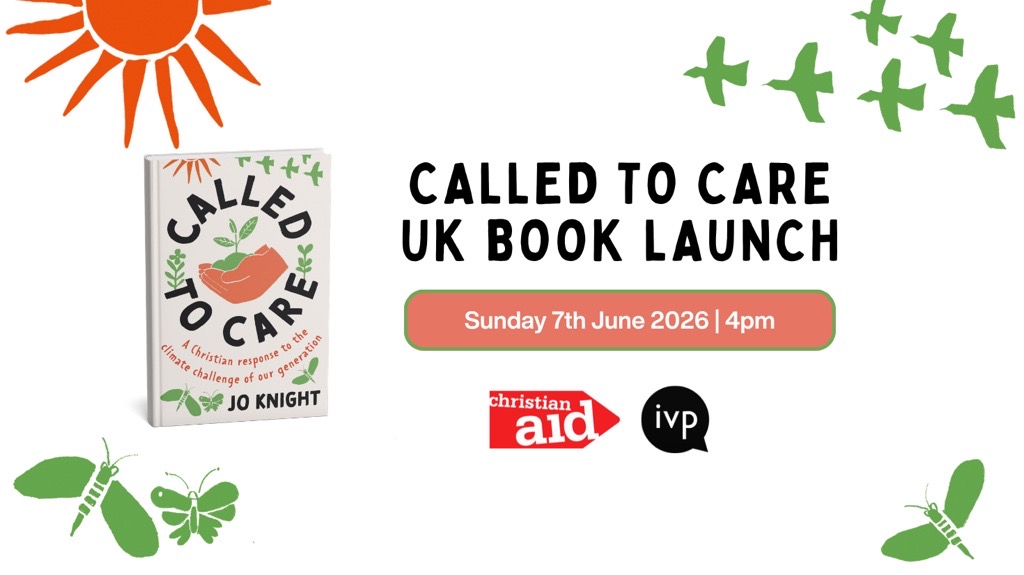
UK Launch of Called to Care by Jo Knight
28 May 2026
5
Support SPCK with your donation
Either donate with a one-off donation or subscribe monthly.
Choose a type of donation
I want to donate
 I want to donate