

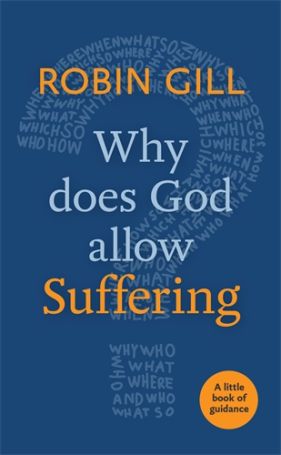
Why Does God Allow Suffering?
Little books of guidance let you grasp the essentials in less than an hour!
In stock
ISBN-13
9780281075409-grouped
From £5.99
Robin Gill sensitively examines the various explanations that theologians offer to the problem of why the world contains so much innocent suffering. A book for all who want to believe in God but struggle to do so in the face of the pointless cruelty that appears to be built into God’s creation.
Robin Gill is Emeritus Professor of Applied Theology, University of Kent, and the Editor of Theology.
Previous titles by the author include New Challenges for Christians May 2010 A Bit Like Jesus, November 2009, A Sense of Grace - November 2004
Previous titles by the author include New Challenges for Christians May 2010 A Bit Like Jesus, November 2009, A Sense of Grace - November 2004
Robin Gill brings the lucidity and logic of a Christian ethicist to the vexed question of unwarranted suffering. He draws brilliantly on Job, and creation theology, and evokes the compassion and suffering of Jesus to show the problem can be at least partially resolved through prayerful reflection.
About
Robin Gill sensitively examines the various explanations that theologians offer to the problem of why the world contains so much innocent suffering. A book for all who want to believe in God but struggle to do so in the face of the pointless cruelty that appears to be built into God’s creation.
Author
Robin Gill is Emeritus Professor of Applied Theology, University of Kent, and the Editor of Theology.
Previous titles by the author include New Challenges for Christians May 2010 A Bit Like Jesus, November 2009, A Sense of Grace - November 2004
Previous titles by the author include New Challenges for Christians May 2010 A Bit Like Jesus, November 2009, A Sense of Grace - November 2004
Reviews
Robin Gill brings the lucidity and logic of a Christian ethicist to the vexed question of unwarranted suffering. He draws brilliantly on Job, and creation theology, and evokes the compassion and suffering of Jesus to show the problem can be at least partially resolved through prayerful reflection.

Diaries and Lectionaries
We are proud to offer our own range of lectionaries, diaries and notebooks that come in a variety of colours and patterns!
Learn more